About Mold
Understanding Mold and Why It Matters
Mold can be found almost anywhere, but when it begins growing inside a home or business, it can quickly become a serious concern. Excess moisture from leaks, flooding, humidity, or damp crawl spaces creates the conditions mold needs to spread on materials such as drywall, wood, carpet, and insulation. Joplin Mold Inspection and Remediation helps property owners throughout Joplin, MO better understand mold growth, its causes, and the importance of addressing moisture issues before they lead to larger problems.
Whether you're dealing with a musty odor, visible mold growth, or recent water damage, learning the facts about mold is the first step toward protecting your property. The information below explains how mold develops, the potential health risks associated with exposure, and what to do if you suspect a mold problem in your home or commercial building. For professional inspections, testing, and remediation services, contact Joplin Mold Inspection and Remediation to request an estimate.
Full-Service Mold Remediation Company
Joplin Mold Inspection and Remediation is a full-service environmental company that specializes in mold inspections, testing and remediation in Joplin, MO and the surrounding areas. We've provided information to help you better understand the effects and dangers of mold.
Mold is a fungus that grows throughout any natural environment. Mold is present in indoor and outdoor air. It can be found on food, soil, plant matter and other items. It produces microscopic cells called "spores" that are very tiny and can spread easily through the air.
Live spores act like seeds that form new growth (colonies) when the right conditions are present.
What Mold Needs to Grow
Mold does not need much to grow and multiply. Things it needs include:
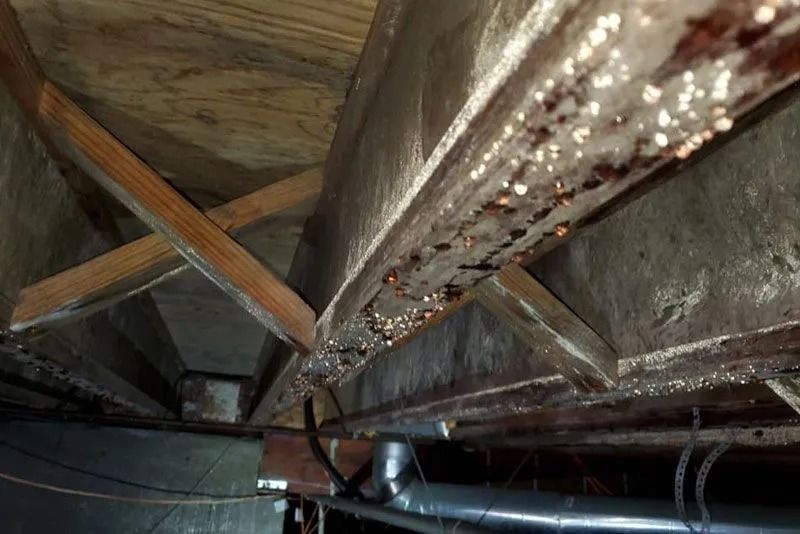
- Moisture: Plumbing leaks, roof leaks, wet crawlspaces, basements and high-humidity levels so it can colonize
- Nutrients: Starches in wood, carpet, drywall and wallpaper to colonize
Controlling excess moisture is the key to preventing indoor mold growth in homes and businesses.
Can You Get Sick From Mold?
Yes. Mold affects people's health that are exposed to it. People are exposed by breathing spores or other tiny particles. They can also be exposed through skin contact by swallowing them or from items that are contaminated by mold.
Types of health effects vary and are difficult to predict. The risk can vary from person to person. Ongoing research on the toxic effects of common household molds that affect people include:
Stachybotrys chartarum (black mold) has been linked to:
- Seizures
- Headaches
- Chronic fatigue syndrome
- Respiratory illness, asthma and allergies
- Systemic fungal infections in children and seniors
- Neurological issues(behavioral problems, learning and developmental delays in children)
No matter what type of mold that's present in your home or business, all indoor mold growth can be a health problem and should be remediated as soon as possible.
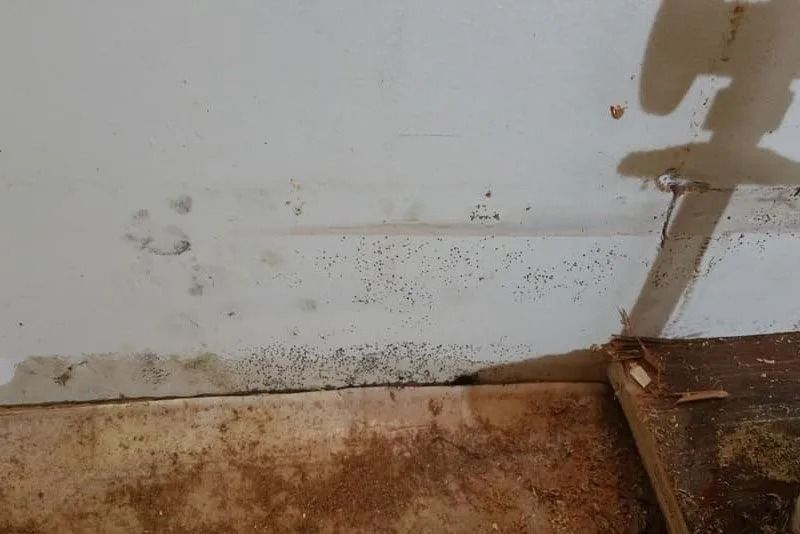
What Should I Do if I Think I Have a Mold Problem?
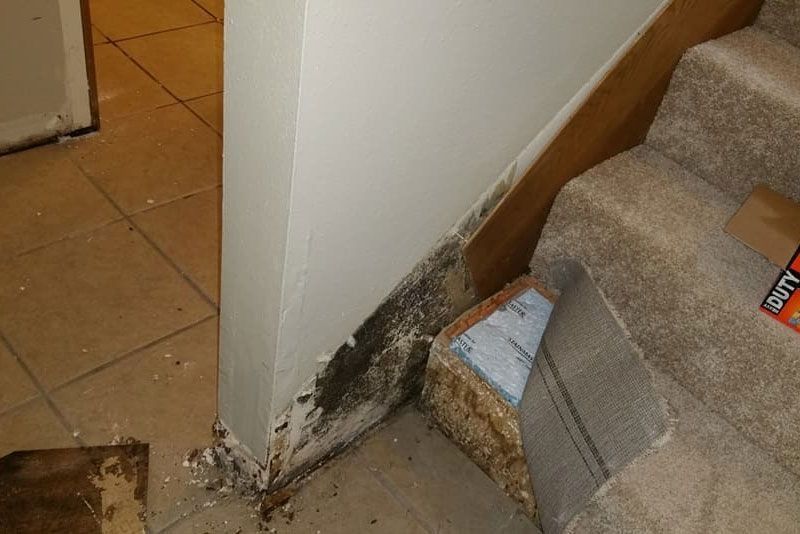
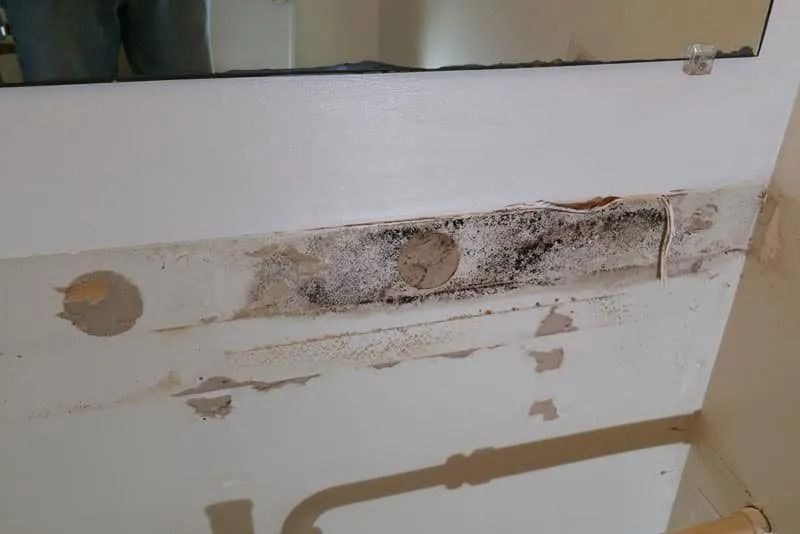
You should look for mold colonies that appear as splotches of colored dots or patches with regular examinations of your home or building. Pay close attention to high-moisture areas. If you smell a musty odor, you probably have a mold issue.
Another area of concern is if you've experienced flooding in your home or building. It's important to clean and dry the flooded area fast to avoid mold growth. Be sure to check the area frequently for signs of mold growth.
The CDC and EPA suggest you only clean up an area no larger than 10' x 10' using a detergent and water solution while wearing an N95 mask if you have a small mold problem. All mold colonies larger than 100 square feet should be remediated by a professional mold remediation company.
Short title 2
Describe some quality or feature of the company. Write a short paragraph about it and choose an appropriate icon.